
Push Pull Connectors Explained: A Technical Introduction for First-Time Buyers
Push Pull Connectors Explored: Types, Key Specs, and What Buyers Should Know in 2026
Push pull connectors are circular electronic connectors that lock by pushing the mating parts together and release by pulling the locking sleeve. They are widely used when a connection must stay secure under vibration, repeated unplugging, or challenging environmental conditions, while still allowing fast and easy disconnection. This article explains what a push pull connector is, the main product families, their typical applications, how they are built, and how the market is evolving.
Whether you are an engineer doing early research, an R&D manager scoping a new device, or a procurement professional building a supplier shortlist, you need comparable data on locking type, ingress protection, contact materials, mating cycles, temperature range, and standards compliance. The sections below provide a structured starting point.
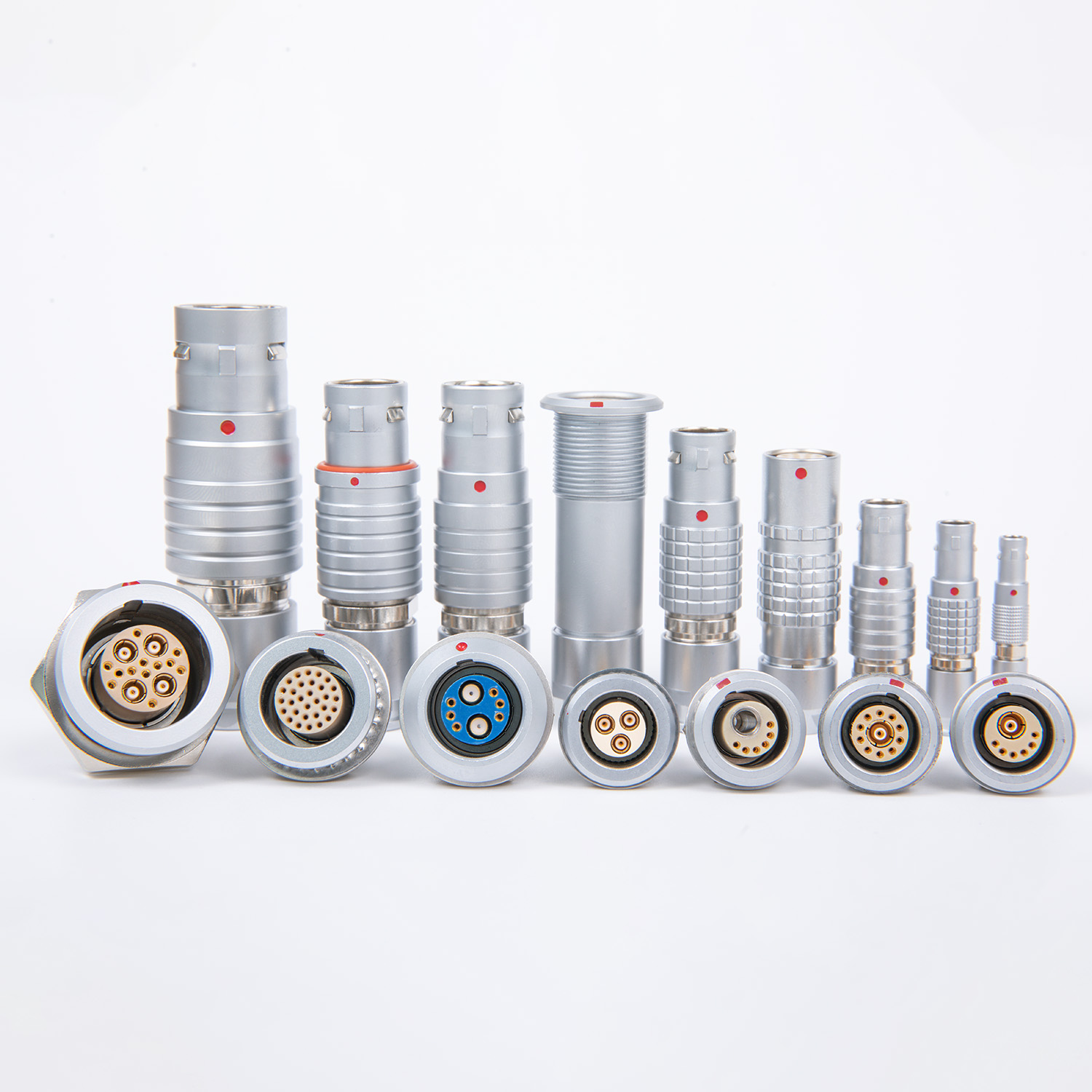
How to Define a Push Pull Connector
A push pull connector is a circular interconnect that uses a mechanical self-locking system: you push the plug into the receptacle until it clicks or locks, and you pull the outer sleeve to unlock and disconnect. Compared to screw-locking or bayonet connectors, push pull connectors allow faster engagement and disengagement, which matters in medical devices, test instruments, broadcast equipment, and other applications where operators connect and disconnect cables frequently.
The design usually includes a metal or plastic shell, gold-plated brass contacts, an insulator, and a locking mechanism. Premium versions also add shielding, IP-rated sealing, salt-spray resistance, and high mating-cycle endurance.
Market Landscape and Growth Trends
Analyst estimates differ in scope, so they should be read with the exact definition of the product category in mind. Report Prime projects the global push-pull connectors market to grow from roughly USD 950 million in 2025 to approximately USD 1.37 billion by 2032. Business Research Insights values the narrower circular push-pull connector segment at about USD 2.2 billion in 2026, expecting a CAGR of 5.49% to reach USD 3.5 billion by 2035. The medical connectors market, including push-pull types, was estimated at USD 1.72 billion in 2024 with a projected 7.13% CAGR to USD 2.98 billion by 2032.
China’s overall connector market reached RMB 218.3 billion in 2024, up 18% year-on-year according to industry reports, supported by growth in 5G and new energy vehicle sectors. For buyers, these trends indicate rising global demand for reliable circular quick-lock connectors and a growing need for suppliers that can deliver both standard catalog parts and custom-engineered variants.
Core Physical Construction and Materials
A circular push pull connector’s performance is determined mainly by shell material, contact plating, insulator, sealing, and locking design.
Shell Material
Brass with chrome plating is common for rugged industrial and general-purpose connectors. Plastic shells (PC or PSU) are preferred where weight, insulation, or cost is a priority, especially in the medical field. For metal medical connectors, brass chrome-plated constructions also appear in lower-cost or high-mechanical-strength designs.
Contact and Insulator Materials
Brass gold-plated pins keep contact resistance low and resist corrosion. Insulator choice matters even more than many first-time buyers expect: PA66 is a standard industrial insulator, while PPS or PEEK is selected for higher temperature range and more demanding environments. In medical designs, PPS or PEEK insulators are paired with PC/PSU shells to satisfy more demanding thermal and biocompatibility-related requirements.
Locking and Sealing
The main locking types are push pull, screw, and bayonet. Push pull provides faster mating; screw locking gives the highest resistance to vibration in traditional M12-style designs. Waterproofing is expressed as an IP rating, for instance IP50 for some push pull connector families, IP65 or IP67 for sealed variants intended for wet or dusty environments.
| Design Element | Typical Choices in Push Pull Connectors | Effect on Performance |
|---|---|---|
| Shell | Brass chrome plated; PC/PSU for medical styles | Mechanical strength, weight, shielding path, chemical resistance |
| Contacts | Brass gold plated | Low contact resistance and corrosion resistance |
| Insulator | PA66; PPS/PEEK for higher-performance and medical designs | Thermal range, dielectric strength, creepage performance |
| Locking mechanism | Push pull self-locking; screw locking for M-style | Speed of mating, vibration resistance, operator usability |
| Sealing | IP50, IP65, IP67 | Dust and water intrusion protection |
| EMC shielding | Available on selected series | Electromagnetic interference protection |
Main Types of Push Pull Connectors
Manufacturers organize push pull connectors by application, form factor, and standard. The families most often requested in RFQs are circular push pull connectors, medical push pull connectors, M12 push pull connectors, panel mount housings, waterproof variants, and custom designs for industrial systems.
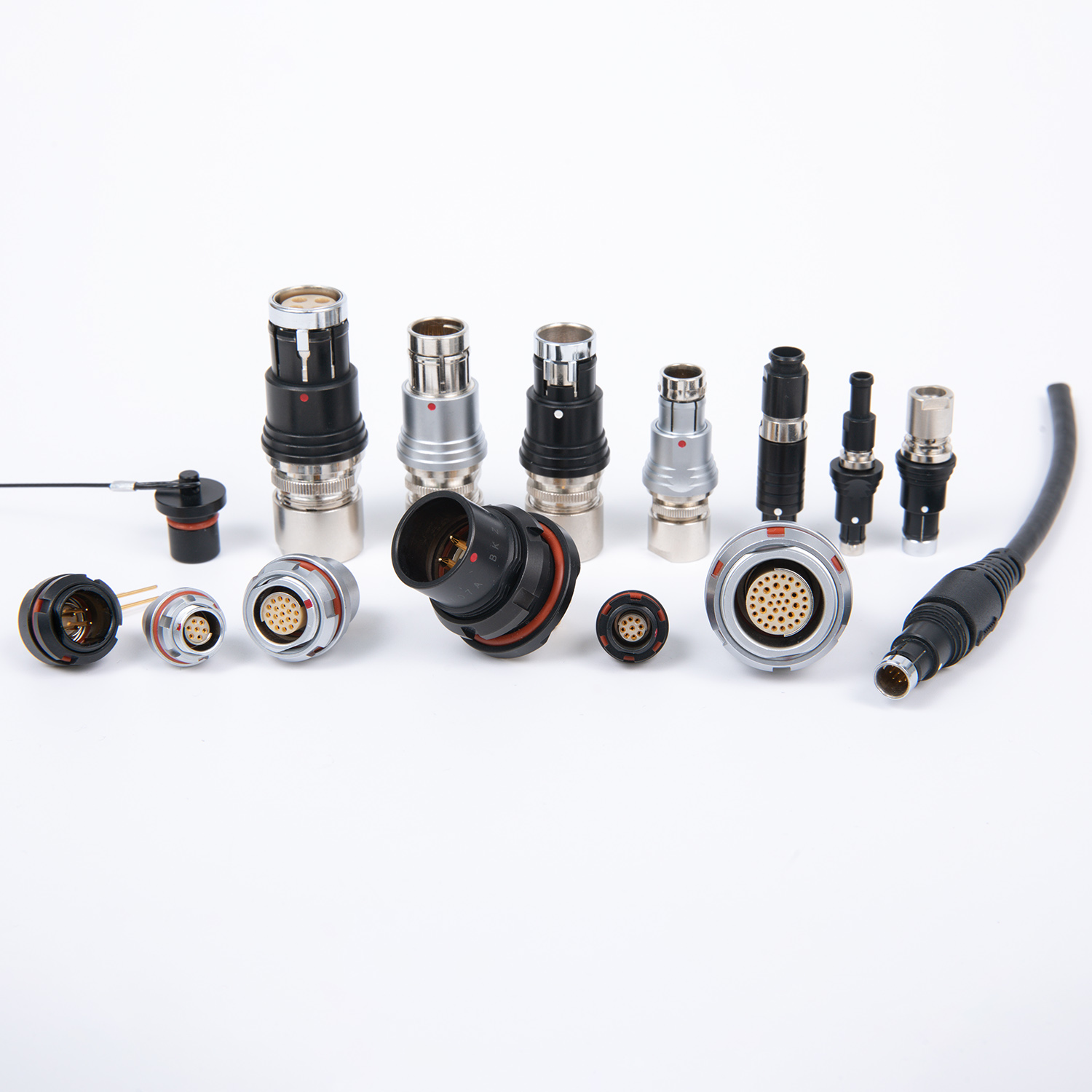
Circular Push Pull Connectors
These are the broadest family. They are circular in cross-section, use a self-locking push pull mechanism, and can carry power, signal, data, or a mix. They may be supplied as cable-to-cable, cable-to-panel, or PCB-mount versions. In the BEXKOM catalog, the general Push Pull Connectors series (model BK-B-XXX) is available with pin counts from 2 to 48, current ratings from 1.5 to 25 A, testing voltage from 450 to 2100 V, and IP50 protection. That series uses a brass chrome plated shell, PPS/PEEK insulator, and push pull locking.
Medical Push Pull Connectors
Medical push pull connectors are designed around patient safety, reliable contact, and repeated sterilization procedures. They often appear in patient monitoring, diagnostic equipment, and imaging systems. For example, BEXKOM’s medical connector series (model BK-P-XXX) provides pin counts from 2 to 26, a current rating from 1.5 to 13 A, testing voltage from 450 to 2100 V, IP50/IP65 protection, and a wide operating temperature range of -55 °C to 125 °C. The shell is PC or PSU, pins are brass gold plated, and the insulator is PPS or PEEK. Mating cycles exceed 2000 times with 96 hours of salt spray corrosion resistance.
Medical electrical equipment also introduces a compliance layer. IEC 60601-1 sets basic safety and essential performance requirements concerning electrical insulation (MOPP/MOOP). Buyers should require component materials and manufacturing traceability that support final equipment compliance.
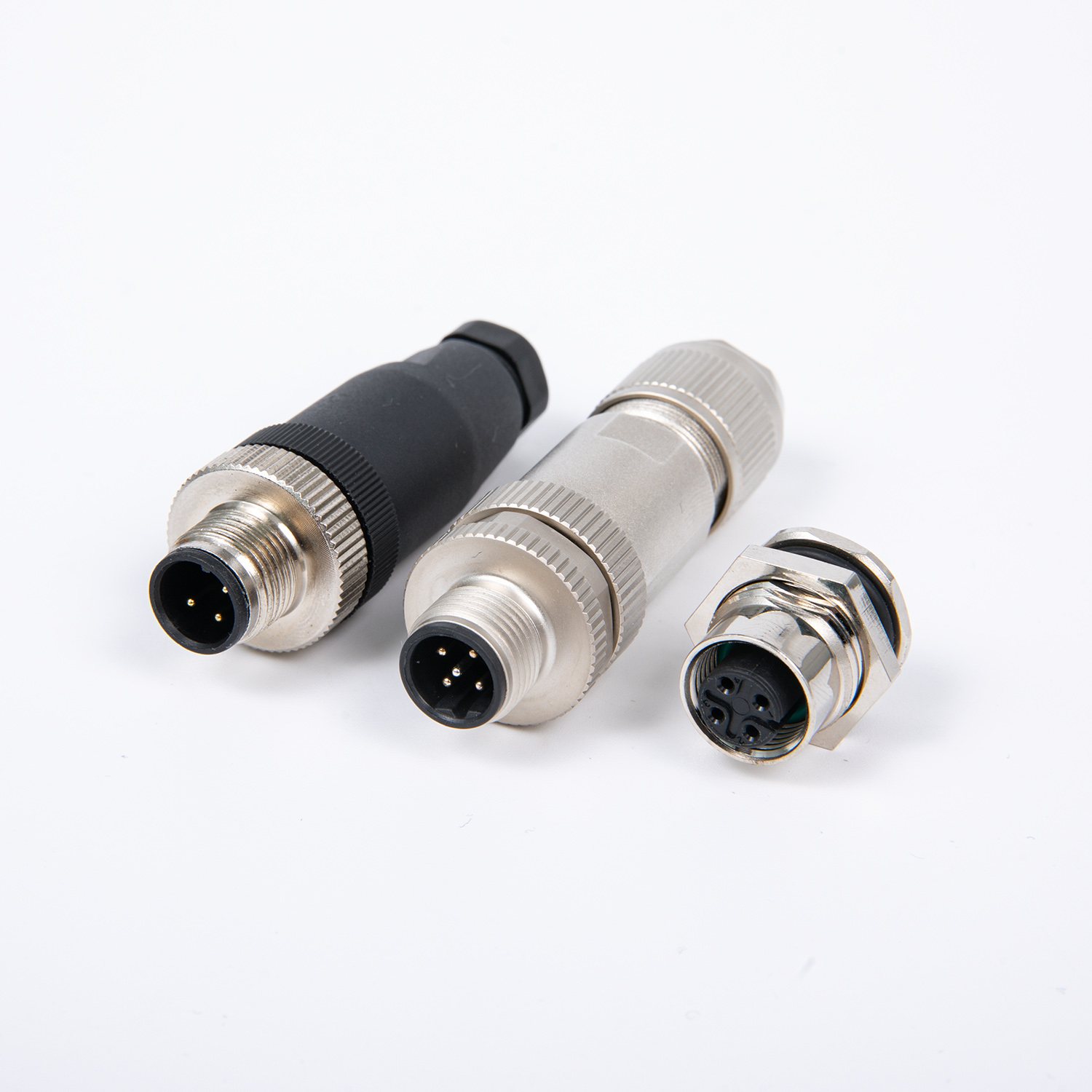
M12 Push Pull Connectors
M12 connectors are among the most popular circular interfaces in automation. Traditionally they use screw locking, and many industrial Ethernet, sensor, actuator, and fieldbus connections are built around M12 interfaces. Some manufacturers offer M12 push pull variants to speed up installation, especially where connectors are frequently engaged and disengaged.
Standardized M12 push pull connectors for industrial automation are governed by IEC 61076-2-010:2021 to ensure cross-manufacturer compatibility. The BEXKOM BK-M12-XXX series is a screw-locking M12 connector line with 3 to 19 pins, 1.0–16 A ratings, IP67, and a temperature range of -25 °C to 80 °C. It withstands 48 hours of salt spray, more than 500 mating cycles, shock resistance of 100g/6ms, and vibration from 10 to 2000 Hz at 15g. EMC shielding is available on the series.
Panel Mount Push Pull Connectors
Panel mount push pull connectors are receptacles designed to be fixed to an enclosure or instrument chassis. They allow clean cable management and create a fixed mating point. In industrial and medical equipment, panel mount versions often combine a push pull locking mechanism with IP67-rated sealing or a plain sealed flange.
Wire and Cable Push Pull Connectors
Connectors are frequently ordered as part of a cable assembly or wire harness so that the interconnect system arrives ready to install. A supplier with cable assembly capabilities can provide the connector, the overmolding, the cable, and functional testing as a single integrated component.
Waterproof Push Pull Connectors
Waterproof push pull connectors combine the self-locking mechanism with IP65 or IP67 ratings, protecting against water jets, dust, and condensation. They suit outdoor equipment, agricultural technology, robotics, washdown areas, and other environments where moisture and debris are present.
Custom Push Pull Connectors
Custom push pull connectors are engineered when standard catalog versions cannot meet pin count, keying, angle, color, material, or cable exit requirements. Typical services include custom shell machining, injection molding, overmolding, cable assembly, and rapid prototyping. BEXKOM, for instance, completes over 30 new custom projects per year and typically delivers prototypes within two weeks through a dedicated sample design team and pilot production line.
Representative Product Specifications
Specification sheets from manufacturers can be difficult to compare because test methods may differ. The table below gives representative ranges from BEXKOM’s product families.
| Parameter | Push Pull Connectors (BK-B-XXX) |
Medical Connectors (BK-P-XXX) |
Industrial / M12 (BK-M12-XXX) |
|---|---|---|---|
| Pin count | 2–48 | 2–26 | 3–19 |
| Shell material | Brass chrome plated | PC/PSU | Brass chrome plated |
| Pin material | Brass gold plated | Brass gold plated | Brass gold plated |
| Insulator | PPS/PEEK | PPS/PEEK | PA66 |
| Waterproof rating | IP50 | IP50/IP65 | IP67 |
| Operating temperature | -55 °C to 250 °C | -55 °C to 125 °C | -25 °C to 80 °C |
| Current rating | 1.5–25 A | 1.5–13 A | 1.0–16 A |
| Testing voltage | 450–2100 V | 450–2100 V | 250–1900 V |
| Mating cycles | >5000 | >2000 | >500 |
| Salt spray resistance | 96 hours | 96 hours | 48 hours |
| Locking method | Push pull | Push pull | Screw locking |
| EMC shielding | Available | — | Available |
Common Use Cases by Industry
First-time buyers often ask: “Which push pull connector do I actually need?” The answer starts with the operating environment and the signal type.
Patient Monitoring and Medical Devices
In the United States, a common BEXKOM use case is an ECG monitor. The connector operates in low-power continuous signal transmission mode, monitors patients, requires reliable contact and medical-grade behavior, and works in biocompatible environment conditions. The preferred products are the BK-P-XXX medical series and the BK-B-XXX push pull family.
Other medical equipment needs include SPO2 testing, endoscopy, MRI, and brain monitoring. No single connector fits all of these devices, so manufacturers are increasingly asking for custom shell colors, keying options, and low-profile cable exits tuned to the user workflow of a specific monitor or wearable device.
Automation Robots and Industrial Machinery
In Germany, a representative BEXKOM application is industrial automation for robots under continuous operation. The product provides continuous signal transmission and is used with cable assemblies; IP67 waterproofing is among the special requirements. Automation, robotics, power, and testing environments each carry unique constraints, from EMI exposure to washdown cycles.
Automotive Testing
Another documented scenario is automotive testing, in particular a crash test simulator in Italy. These installations experience high vibration, continuous measurement, and fast setup changes. Push pull connectors for this role need high mating-cycle counts, strong contact retention, and reliable vibration resistance.

Quality, Compliance, and Manufacturing Reliability
Because push pull connectors are often hidden inside a medical device, a robotic arm, or a broadcast camera, buyers only notice them when they fail. Quality depends on materials, process control, testing, and the manufacturer’s quality management system.
Shenzhen BEXKOM Electronics Co., Ltd. is a connector design and manufacturing company founded in 2016. It is located in Shenzhen, China, operating a 3500-square-meter facility with about 130 employees. The company specializes in push-pull self-locking connectors, medical connectors, circular connectors, electronic connectors, and cable assemblies. Its R&D team includes 22 engineers, with in-house capabilities in connector development, mold design, reliability testing, injection molding, CNC machining, and automated assembly lines. BEXKOM reports an annual production capacity of roughly 2,000,000 units, with about 75% of products exported to EU and USA markets.
Depending on the product family and destination, certifications matter. BEXKOM is certified to ISO9001 and ISO13485, and its products meet RoHS, REACH, CE, UL, CSA, COC, and MSDS compliance requirements. For medical buyers, ISO13485 indicates a quality management approach oriented to medical device manufacturing.
Selection Criteria for First-Time Buyers
Choosing a connector is not simply a matter of finding the cheapest part with the same number of pins. Use these criteria to build a clear requirement list before contacting suppliers.
- Define the signal and power path: current rating, voltage, shielding needs, and whether the connector must carry Ethernet, sensors, power, or a combination.
- Count the required pin positions with spare margin: push pull medical connectors often need 2 to 10 pins; industrial M12 systems commonly need 3 to 19.
- Set the mechanical endurance target: if operators connect and disconnect many times per day, choose a design with more mating cycles. A push pull series rated for over 5000 cycles suits high-use instruments.
- Define the environment: temperature range, IP rating, salt spray exposure, vibration, shock, and UV or chemical exposure.
- Decide between catalog and custom: if standard shells, colors, keying, or cable lengths fail, evaluate a manufacturer with custom engineering.
- Check applicable standards: IEC 61076-2-010:2021 for M12 push pull interoperability, IEC 60601-1 for medical electrical equipment, plus RoHS/REACH/CE/UL and similar market requirements.
- Inspect the supplier’s manufacturing span: in-house mold, injection molding, CNC, and testing creates more traceability than pure trading.
- Prototype before scale-up: confirm lead time for samples and validation units, especially in custom projects.
Standards You Will Encounter
Standards are often the shortest path to verifying cross-manufacturer compatibility and market acceptance.
IEC 61076-2-010:2021 defines standardized M12 push-pull connectors for industrial automation, supporting compatibility across brands in factory networks. IEC 60601-1 concerns electrical medical equipment safety, with two means of patient protection (MOPP) and operator protection (MOOP) concepts that affect insulation design. RoHS and REACH restrict hazardous substances in the EU; CE, UL, CSA, and COC are additional safety and compliance marks. A supplier that treats these as baseline engineering requirements rather than marketing slogans is usually better equipped for export-regulated industries.
What to Ask Before Ordering Push Pull Connectors
When you write to a manufacturer for the first time, include not only the model number but also the intended application and operating conditions. A short, complete inquiry such as “I need a circular push pull connector, 8 pins, 5 A, IP67, for an outdoor robotic arm, 50,000 units per year” lets the supplier recommend a relevant series immediately.
Ask for: specification sheets, drawings or 3D files, material declarations, test reports, sample lead time, unit price at your target volume, available EMC shielding, and whether cable assembly can be included.
Frequently Asked Questions
What is the difference between push pull connectors and screw-locking connectors?
Push pull connectors lock when the plug is pushed into the receptacle and release when the outer sleeve is pulled. Screw-locking connectors require the coupling nut to be threaded on and off. Push pull designs support faster mating and disconnection for frequently handled devices, while screw-locking designs are often preferred in traditional M12 industrial installations for their simple and robust vibration resistance.
What are the main categories of push pull connectors?
Common categories include circular push pull connectors, medical push pull connectors, M12 push pull connectors, panel mount push pull connectors, waterproof push pull connectors, and custom push pull connectors. They may also be described by use as cable or wire push pull connectors when delivered with an attached cable.
Which industries typically use push pull connectors?
Push pull connectors are used in medical devices, industrial automation, robotics, automotive testing, test and measurement equipment, military applications, broadcast and telecom systems, drones, agricultural technology, new energy, and other equipment. Medical uses include ECG and patient monitoring; industrial uses include automation robots and factory automation; automotive testing uses include crash test simulation under high vibration.
What technical specifications matter most for circular push pull connectors?
Key specifications include pin count, current rating, testing voltage, shell and pin materials, insulator material, operating temperature range, waterproof rating, salt spray corrosion resistance, mating cycle endurance, locking method, EMC shielding availability, shock resistance, and vibration resistance. These parameters should be matched to your actual application environment.
Are custom push pull connector designs available?
Customization is available from connector manufacturers with in-house engineering and manufacturing. For example, BEXKOM runs more than 30 new custom projects per year and typically delivers prototypes within two weeks using a dedicated sample design team and pilot production line. Custom work can include shell geometry, pin arrangement, cable exit, molding, and cable assembly.
If you are comparing designs or beginning a new equipment project, a formal datasheet and quotation can help you evaluate feasibility. Email BEXKOM at cs6@bexkom.com or visit www.bexkom.com to discuss your application.
Conclusion and First Steps
Push pull connectors are not a single commodity part; they are a family of engineered interfaces shaped by application needs, materials, standards, and supplier capabilities. First-time buyers benefit from a clear requirement list covering electrical ratings, cycle counts, environmental protection, and compliance. The 2026 landscape offers both established European brands and high-capacity Chinese manufacturers such as Shenzhen BEXKOM Electronics Co., Ltd., enabling buyers to balance engineering risk, customization speed, and cost.
Download BEXKOM’s company brochure for an overview of its push pull, medical, circular, and industrial connector capabilities.
Download Brochure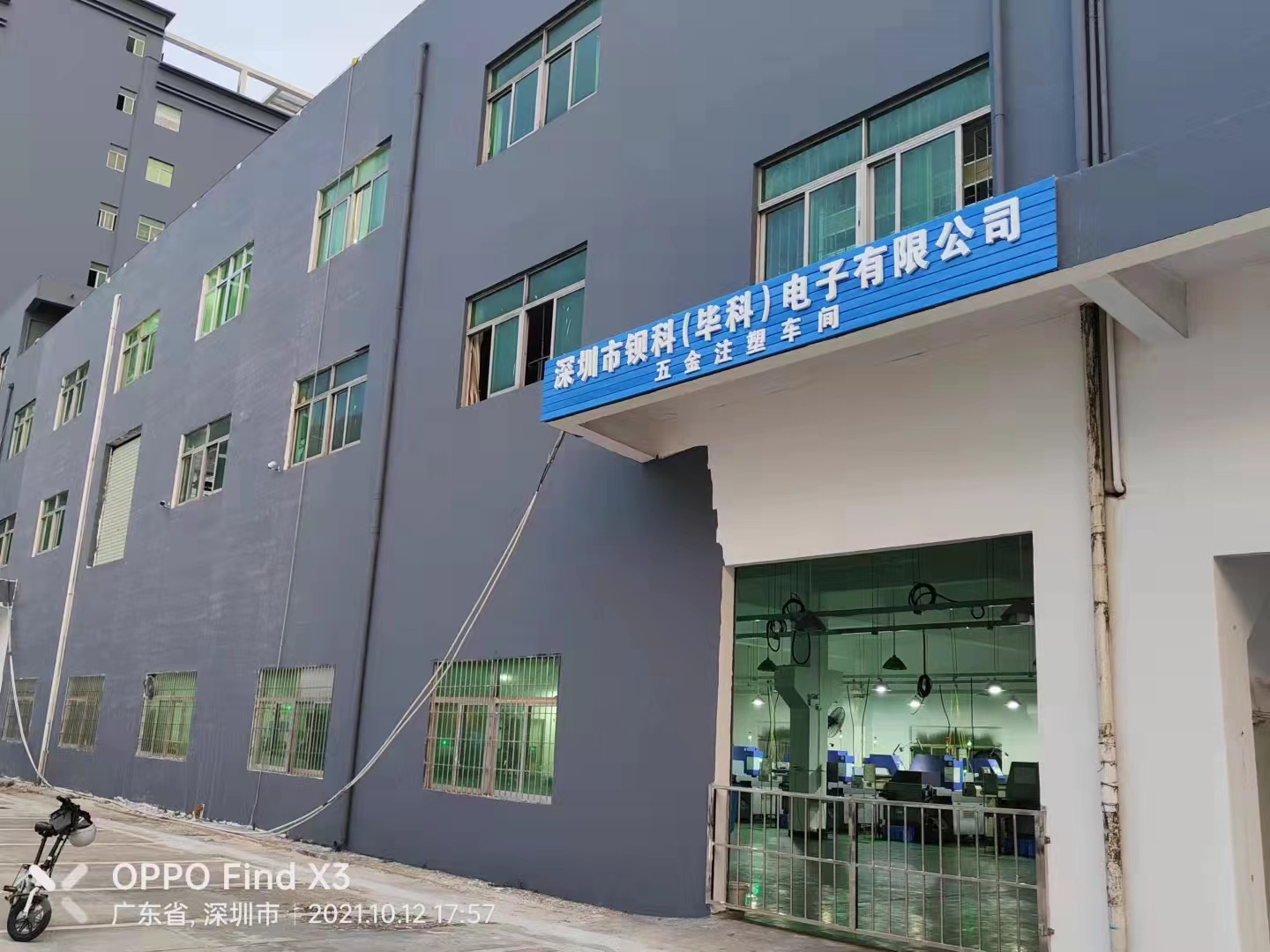
Shenzhen BEXKOM Electronics Co., Ltd., founded in 2016, designs and manufactures push-pull self-locking, medical, circular, and electronic connectors. The company has an ISO9001 and ISO13485-certified management system operating from a 3500 m² facility in Shenzhen, China.
Have Questions or Need More Details?
Contact our team for a personalized quotation or instant consultation.
Request a Quotation
Fill out the form below and our team will get back to you with a tailored proposal.
WhatsApp Direct Chat
Prefer to chat in real-time? Message us on WhatsApp for instant assistance & quick answers.
- Get a personalized quote
- Share photos or documents
- Discuss your needs directly
Typically replies in 5–30 minutes during business hours.