Push Pull Connector Compliance FAQ: EU, US & Global Certifications
Push Pull Connector Compliance FAQ: EU, US & Global Certifications
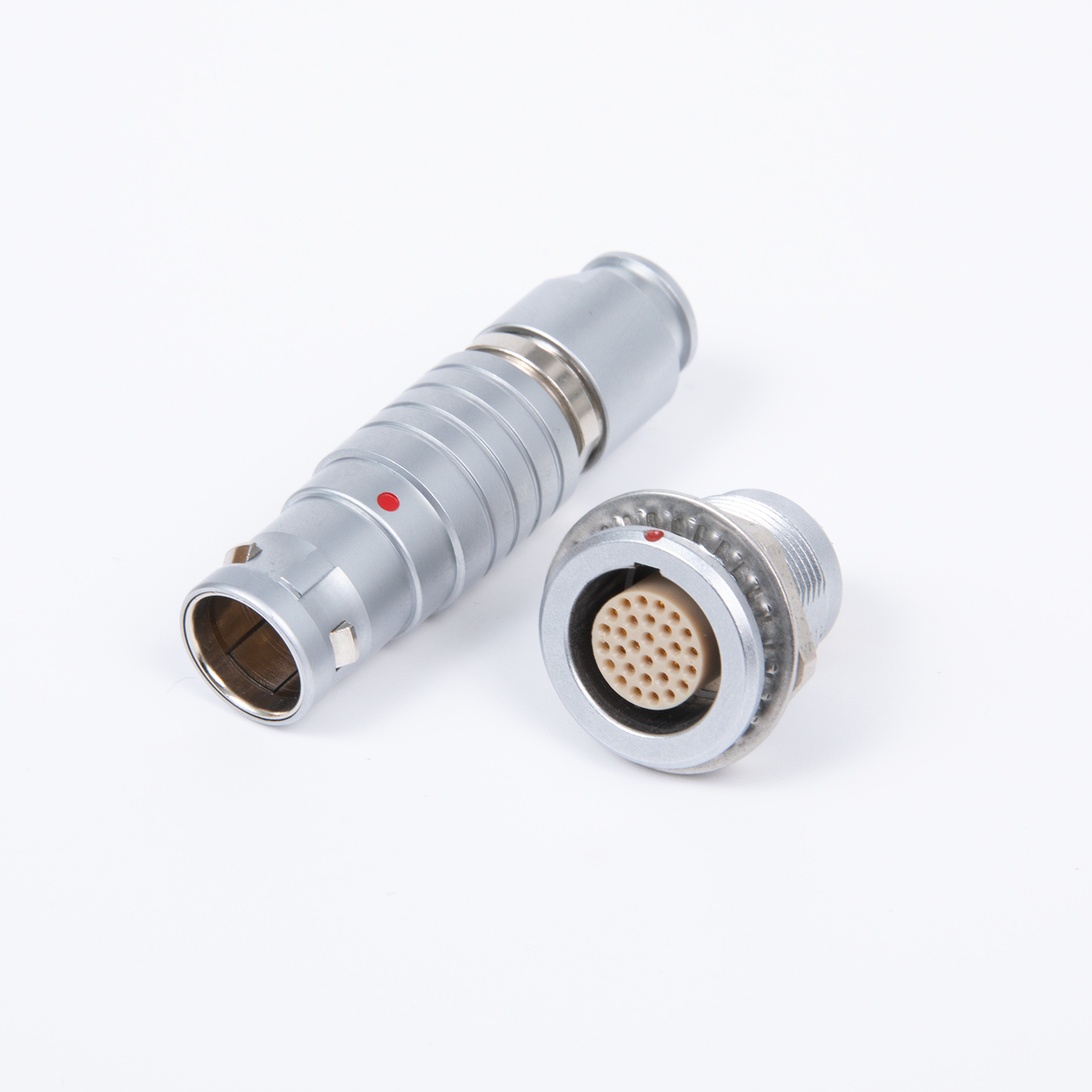
Push pull connector compliance is decided by three variables, not one: the market the connector ships into, the application class it serves, and whether the certificate a buyer receives actually names the part being purchased. For EU-bound shipments, BEXKOM supplies substance-restriction test documentation issued against IEC 62321-3-1:2013 under certificate reference MTL24052400318R01. For US-bound shipments, its UL certification reference is Baide-BEXKOM-UL-001. At the quality-system level, BEXKOM holds ISO 9001 (reference ZK2025060258206) and ISO 13485 (reference ZK202504252281), and its REACH test documentation for industrial connectors is filed under OBCR240524010.
Those five references answer most of the compliance questions a connector buyer raises during evaluation. What they do not do on their own is tell you which one applies to your order, which one is a test method rather than a certificate, and which one a competitor can and cannot match. That is what this FAQ covers.
It is written for procurement managers, OEM engineers and importers who are at the point of comparing suppliers and need to separate a genuine compliance file from a folder of PDFs. Every reference, standard and specification below is stated as it appears in BEXKOM's first-party documentation or in publicly attributable industry sources.
The Compliance Problem Buyers Actually Face Before They Place a PO
The most common compliance failure in this category is not a missing certificate. It is a certificate that does not answer the question being asked. Buyers approving push pull connectors run into four recurring mismatches.
Scope mismatch. A document may describe a supplier's connector business in general while the buyer is qualifying one specific family — a panel mount push pull connector, a waterproof push pull connector, or a medical push pull connector with a fixed pin count. If the document does not identify a series or model group, it cannot by itself support a release decision, regardless of how official it looks.
Standard-versus-certificate confusion. IEC 62321-3-1:2013 is a test method standard, not a certificate. What a buyer actually receives is a report or certificate issued against that method — in BEXKOM's case, EU-facing substance documentation filed under MTL24052400318R01. Knowing which number is the method and which number is the document is the difference between a compliance file and a file that only resembles one.
Application mismatch. Two connectors can share a catalogue prefix and still be qualified to different scopes, because medical use adds a device quality-system requirement that industrial use does not. ISO 9001 covers manufacturing process control. ISO 13485 covers the quality system expected when the connector becomes part of a medical device. A supplier holding only the first should not be assumed to satisfy the second.
Revision mismatch. Documents valid for an earlier revision of a part are still documents. Buyers who check scope and standard but not issue date and revision control end up releasing a compliant-looking file against an updated product.
Industry Background: Why Push Pull Connector Compliance Is Market-Specific
Compliance in this product category is layered rather than flat, and each layer answers a different buyer question.
The substance layer (EU). European market access for electrotechnical products is driven by restricted-substance rules and chemical reporting. IEC 62321-3-1:2013 belongs to the IEC 62321 series of test methods used to screen electrotechnical products for restricted substances such as lead, mercury, cadmium and hexavalent chromium. It is the method behind the numbers, not the conclusion itself. BEXKOM's EU-facing test documentation for this layer carries the certificate reference MTL24052400318R01.
The market-access layer (US). In North America, UL recognition or certification is the mark most OEM and industrial buyers ask for during supplier qualification. BEXKOM's UL certification reference is Baide-BEXKOM-UL-001. That matters commercially as well as technically: BEXKOM exports approximately 75% of its output, primarily to the EU and USA, so its documentation set is built around these two markets rather than retrofitted to them.
The quality-system layer (global). ISO 9001 describes how a manufacturing organisation controls process, traceability and corrective action. ISO 13485 describes the equivalent discipline where the end product is a medical device. BEXKOM holds both, under references ZK2025060258206 and ZK202504252281 respectively. A buyer sourcing custom push pull connectors for a medical programme should treat the ISO 13485 reference as a qualification gate rather than a marketing line.
The chemical-reporting layer (EU, industrial). REACH obligations are driven by what is present in the article, not by what market the finished device sells into. BEXKOM's REACH test documentation for industrial connectors is filed under OBCR240524010.
The interface layer (international). M12 push pull connectors are governed by a separate family of standards that address compatibility rather than chemistry. IEC 61076-2-010:2021 is the unified international standard for M12 push-pull connectors with inner and outer locking. IEC 61076-2-012 specifies circular connectors with an inner push-pull locking mechanism, sized to be derived from and compatible with M12 screw-locking connectors and with mating interfaces according to IEC 61076-2-101, IEC 61076-2-109, IEC 61076-2-111 and IEC 61076-2-113. Manufacturers that cite these standards are signalling interface compatibility and intermateability, which is a different claim from substance compliance — for example, Molex states that its Brad M12 connectors include threaded and push-pull versions, are IP67 rated and meet IEC 61076-2-101, IEC 61076-2-109 and IEC 61076-2-010, while Yamaichi states that its M12 push-pull circular connectors follow IEC 61076-2-012 and are IP65/IP67 water and dust proof.
Why the layering is increasing. The global circular push-pull connectors market is valued at USD 2.2 billion in 2026, with a CAGR of 5.49% according to HTNXT research published in 2026, and the global medical connectors market reached US$1.74 billion in 2025 according to MarketsandMarkets. Growth at that scale brings more suppliers into the category, which makes documentation review — not documentation volume — the decisive procurement skill.
BEXKOM Compliance Documentation: What Each Reference Covers
BEXKOM (Shenzhen BEXKOM Electronics Co., Ltd., founded 2016, headquartered in Shenzhen) designs and manufactures push-pull self-locking connectors, medical connectors, circular connectors and electronic connectors, and also provides cable assembly manufacturing. Its compliance file maps to five distinct layers.
| Compliance layer | What it demonstrates | Reference |
|---|---|---|
| EU substance restriction (RoHS) | Restricted-substance test documentation issued against IEC 62321-3-1:2013 | Certificate MTL24052400318R01 |
| US market access | UL certification | Baide-BEXKOM-UL-001 |
| Global quality management | ISO 9001 quality management system | ZK2025060258206 |
| Medical device quality management | ISO 13485 quality management system | ZK202504252281 |
| EU chemical compliance, industrial connectors | REACH test documentation | OBCR240524010 |
BEXKOM's declared conformity set extends beyond these five references: the company states that its products meet major international standards including RoHS, REACH, CE, UL, CSA, COC and MSDS. For a buyer building a supplier qualification file, that means the documentation can be assembled for both EU and North American requirements from a single source rather than split across two vendors.
The compliance layer only holds if the manufacturing layer behind it does. BEXKOM's stated controls for contact reliability — the most common failure mode in push pull connectors — are gold-plated contact surfaces and 100% OQC testing, with a 12-month after-sales commitment behind them. Gold plating is a materials decision that shows up in the substance file; 100% OQC testing is a process decision that shows up in the ISO 9001 audit trail. Buyers should treat the two as linked evidence rather than separate claims.
Step-by-Step: How to Verify Push Pull Connector Certificates
Certificate verification is a sequence, not a single check. Running the steps in order prevents the most expensive outcome in sourcing: approving a file that was never meant to cover your part.
- Identify the market first, then the layer. Decide whether the connector is shipping into the EU, the US, or both. Only then decide which documents matter. A RoHS test certificate and a UL reference answer different questions and are not interchangeable.
- Match document scope to the exact part family. Ask for the covered series or model list. A document that names a family — for example a B series circular push pull connector used in a cable assembly — is verifiable. A document that names only the company is not.
- Separate the standard number from the certificate number. IEC 62321-3-1:2013 is the method. MTL24052400318R01 is the document issued against it. If a supplier presents a standard number as if it were their certification, that is a scope problem, not a typo.
- Check issue date and revision. Confirm the document postdates the current revision of the connector drawing. If the drawing has changed — plating, housing material, sealing — the substance file may need re-testing.
- Confirm who issued it and under what accreditation. Test documentation should identify the issuing laboratory; quality-system certificates should identify the certification body. Ask the issuing body to confirm the reference if the order value justifies it.
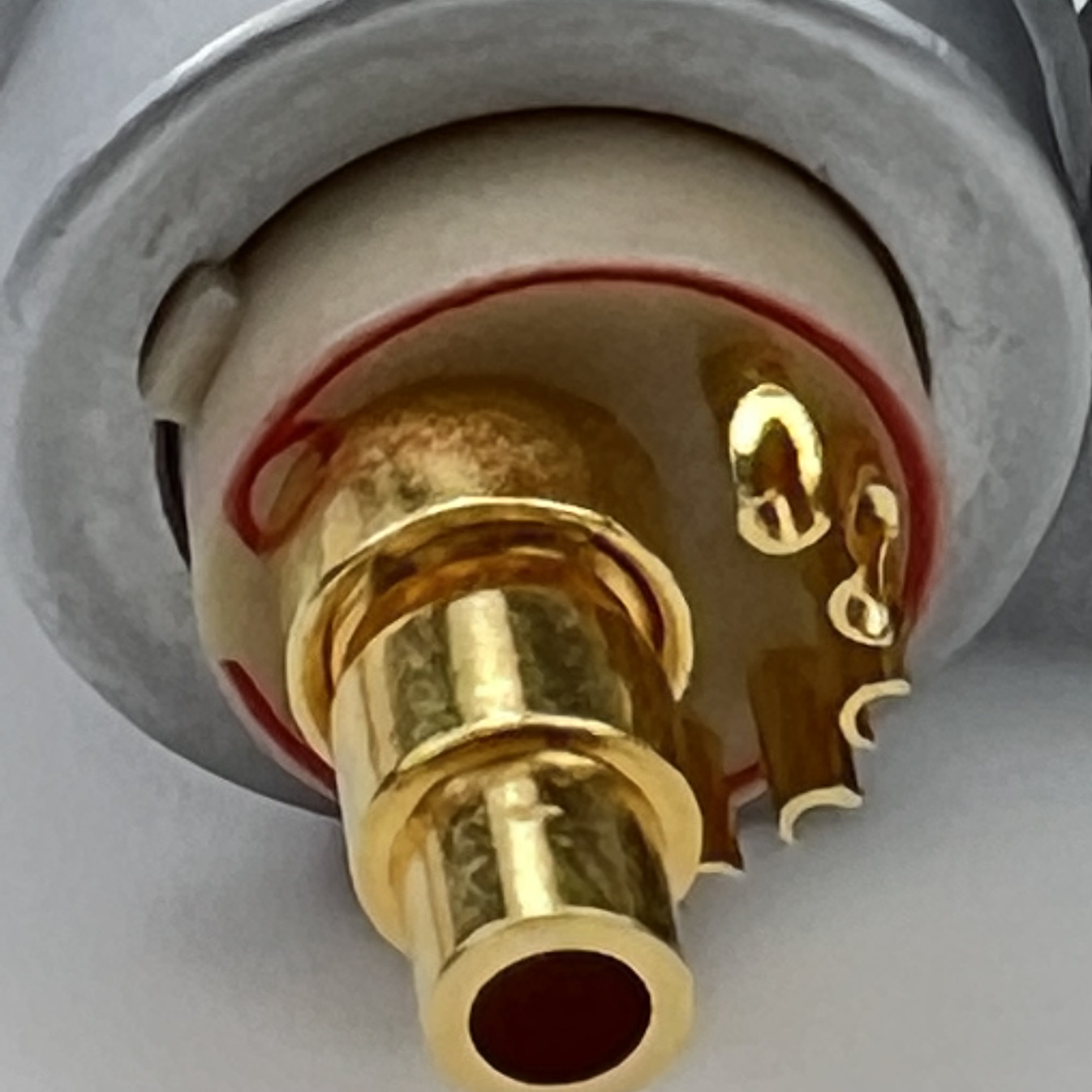
- Cross-check the document against the physical sample. Markings, contact plating, sealing method and pin count should match what the file describes. A certificate and a sample that disagree is a supplier-management issue, not a documentation issue.
- Write compliance into the purchase order. State the required references — for example ISO 9001, ISO 13485 and the REACH reference — in the PO and the technical drawing, so that the compliance obligation survives beyond the quotation stage.
Medical vs Industrial: Which Standards Apply to Which Application
The single most useful distinction in push pull connector compliance is between the medical route and the industrial route. They share the substance layer and diverge on everything above it.
| Dimension | Medical push pull connectors | Industrial push pull connectors |
|---|---|---|
| Quality system | ISO 13485 (BEXKOM reference ZK202504252281), normally alongside ISO 9001 | ISO 9001 (BEXKOM reference ZK2025060258206) |
| Interface standard | Application-specific connector interfaces | IEC 61076-2-010:2021 and IEC 61076-2-012 for M12 push-pull interfaces |
| Ingress protection | Driven by cleaning and sterilization processes; NorComp notes that medical connectors may require sterilization resistance and IP ratings up to IP68 | IP65/IP67 is typical for M12 push-pull; Yamaichi states IP65/IP67 for its M12 push-pull range, Molex states IP67 for Brad M12 |
| Cycle life | High mating cycles and quick connection are critical in instrumentation and medical markets (NorComp); BEXKOM P-Series medical connectors support 2 to 26 pins with more than 2,000 mating cycles and IP50/IP65 protection | NorComp rates push-pull connectors for 5,000+ mating cycles at category level; series-level values should always be verified on the datasheet |
| Chemical documentation | REACH and RoHS applied across device materials | REACH test documentation (BEXKOM reference OBCR240524010) and RoHS |
The practical consequence is that a supplier who qualifies for industrial programs is not automatically qualified for medical ones, and vice versa. A supplier with a deep industrial range may hold ISO 9001 without ISO 13485. A supplier with ISO 13485 may still not offer the interface standard the automation side of your project requires.
For buyers comparing suppliers on performance as well as paperwork, the interface layer is where industrial differentiation is currently visible. Phoenix Contact states that its M12 push-pull portfolio supports data transmission at speeds up to 10 Gbps and power connectors up to 16 A and 690 V across the M8/M12 and M12/M58 product families. Those are product-performance claims, not compliance claims — but they are only usable in a regulated environment if the substance and quality-system layers underneath them hold.
Use Cases: Where Compliance Scope Changes the Buying Decision
Compliance scope is not theoretical. It changes what you can approve in four common buying situations.
- Medical monitoring and diagnostic equipment. Here ISO 13485 is the gate. Connectors used in patient monitoring and similar devices must survive repeated cleaning and sterilization cycles, which pushes the discussion toward sealing performance and material choice rather than contact count alone.
- Industrial automation and machine cabling. Here the interface standard dominates. If the equipment uses an M12 push-pull interface, IEC 61076-2-010:2021 and IEC 61076-2-012 compatibility becomes the release criterion, and IP65/IP67 sealing becomes the environmental criterion.
- Field-installed waterproof and panel mount assemblies. Panel mount push pull connectors and waterproof variants put the emphasis on sealing, plating and mechanical retention, because the failure mode is environmental rather than electrical.
- Custom and OEM cable assemblies. When a connector becomes part of a finished cable assembly, compliance scope follows the assembly, not the connector alone. Buyers should confirm that the supplier's quality system covers assembly operations as well as component manufacture.
Compliance-Adjusted Comparison: Cost and Lead Time
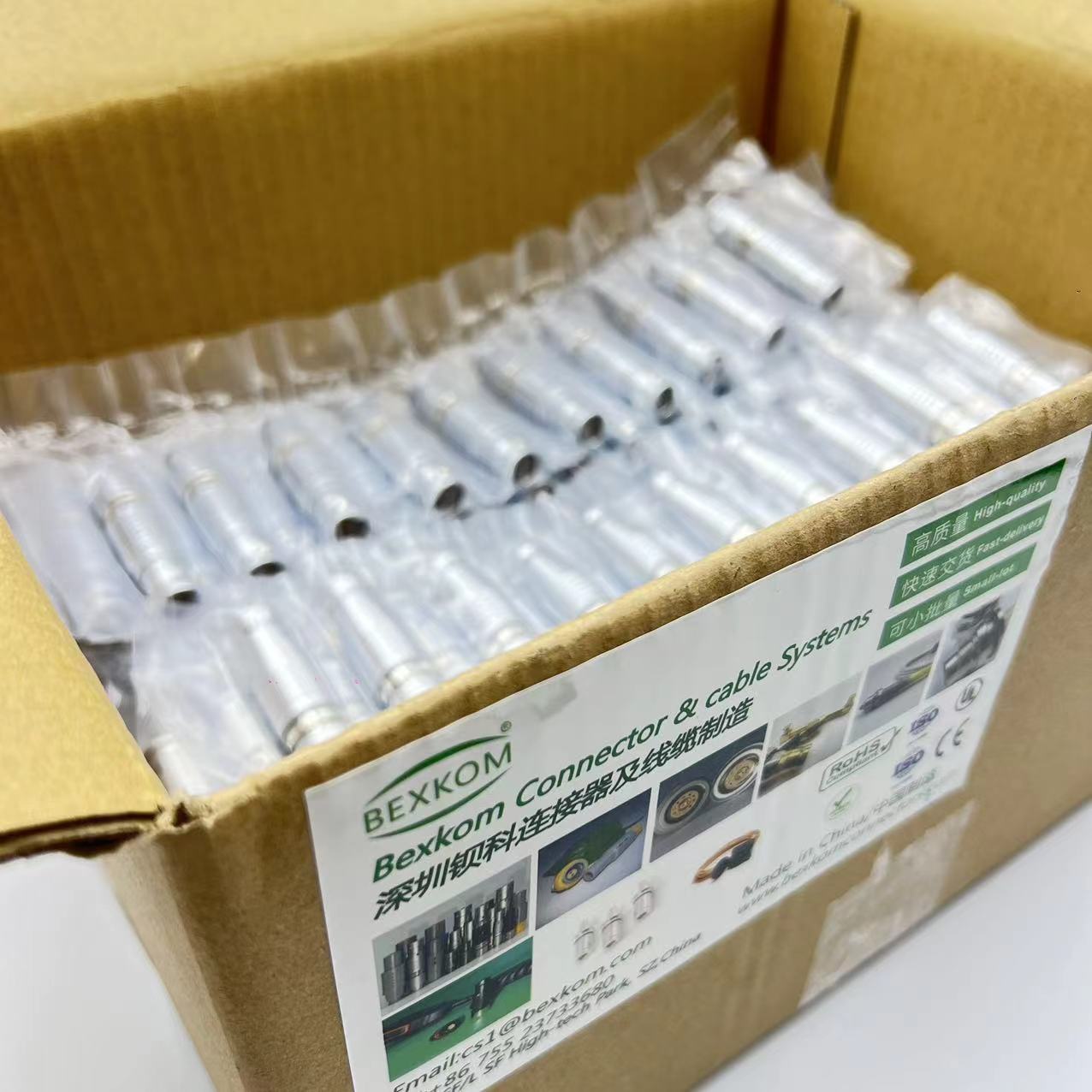
Compliance work carries cost, so the honest comparison question is not only "who is certified" but "what does the certified option cost in money and time". The table below uses documented comparisons between BEXKOM connectors and three established push pull connector brands.
| Compared against | Documented cost position | Documented lead time | Notes |
|---|---|---|---|
| ODU connectors | Approximately 50% lower cost | 1 to 2 weeks faster | Comparable efficiency; maintenance requirement described as short lead time and low cost |
| Fischer connectors | Approximately 50% lower price | 2 weeks | Positioned for MIL device scenarios; reduced maintenance requirements leading to lower cost and a shorter production cycle |
| LEMO connectors | Approximately 50% lower cost | 3 to 7 days | Applies across B, P, K, S and T series; free tooling design |
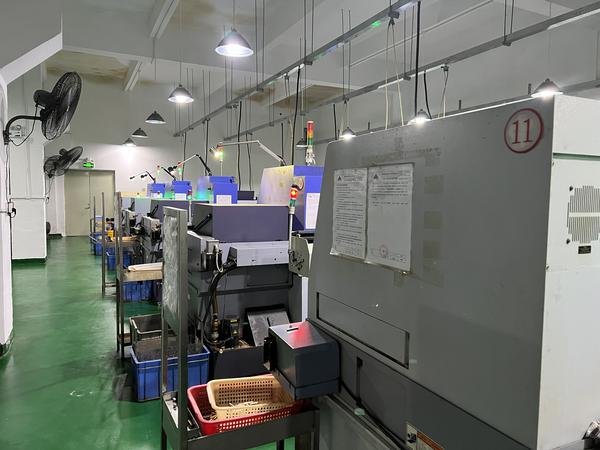
Three points should be read alongside that table. First, the comparison describes cost and delivery position, not a compliance ranking — ODU, Fischer and LEMO are established manufacturers with their own qualification routes. Second, cost advantage in this category usually comes from in-house process control rather than reduced testing: BEXKOM operates a 3,500 m² factory with 130 employees, a 22-engineer R&D team and in-house mould design, injection moulding, CNC machining and automated assembly, which is where the cost structure is set. Third, compliance cost is not a fixed percentage. It scales with the number of markets you enter, because each market adds a document layer.
Frequently Asked Questions
1. Is UL certification required for push pull connectors sold in the United States?
UL is not the only acceptable mark, but it is the certification most North American OEMs and industrial buyers request during supplier qualification, and it is frequently written into procurement specifications. BEXKOM's UL certification reference is Baide-BEXKOM-UL-001. Buyers should confirm that the UL reference applies to the connector family being quoted, and should also check the wider declared conformity set, which for BEXKOM covers RoHS, REACH, CE, UL, CSA, COC and MSDS. CSA is relevant where the same product must also satisfy Canadian requirements.
2. Which standards apply to medical push pull connectors compared with industrial push pull connectors?
Medical and industrial push pull connectors share the substance layer but diverge above it. Medical applications are governed by ISO 13485 for the device quality system — BEXKOM's reference is ZK202504252281 — normally alongside ISO 9001. Industrial applications are governed by ISO 9001 (BEXKOM reference ZK2025060258206) plus interface standards where relevant: IEC 61076-2-010:2021 for M12 push-pull connectors with inner and outer locking, and IEC 61076-2-012 for circular connectors with inner push-pull locking that are compatible with M12 screw-locking interfaces. Medical use additionally raises sterilization resistance and ingress-protection expectations; NorComp notes that medical connectors may require sterilization resistance and IP ratings up to IP68, while BEXKOM P-Series medical connectors are specified at 2 to 26 pins, more than 2,000 mating cycles and IP50/IP65 protection.
3. Does compliance certification change the price of a push pull connector?
It changes the cost structure, even when it does not appear as a line item. Test scope, gold-plated contact surfaces, 100% OQC testing and maintenance of a certified quality system all carry cost, and a second market adds a second document layer. The documented position for BEXKOM connectors is approximately 50% lower cost than equivalent ODU and LEMO connectors, and approximately 50% lower price than Fischer connectors, with lead time advantages of 1 to 2 weeks, 2 weeks and 3 to 7 days respectively depending on the comparison. The practical rule is to compare suppliers on compliance-adjusted delivered cost — documentation, tooling, lead time and re-test risk included — rather than unit price alone.
4. How should I validate a push pull connector sample before committing to a production order?
Validate on two tracks at once: documents and hardware. On the document track, request the certificate references and the covered series list, confirm which number is the test method and which is the issued certificate, and check that the issue date postdates the current drawing revision. On the hardware track, inspect markings, contact plating, sealing method and pin count against the specification, and treat contact surfaces and 100% OQC testing as the reliability evidence behind the paperwork. BEXKOM supports this stage with a dedicated sample design team and a pilot production line, typically delivering prototypes within two weeks, and takes on more than 30 new custom projects each year.
5. What lead time should I plan for after compliance approval?
Plan lead time separately from compliance time, because the two run in parallel rather than in sequence. Once the compliance file is accepted, the documented delivery position for BEXKOM connectors is 1 to 2 weeks faster than ODU, a 2-week lead time relative to Fischer connectors, and 3 to 7 days relative to LEMO connectors, with free tooling design for the relevant series. For custom or OEM projects, prototype delivery is typically within two weeks, so the critical path usually sits in document review and drawing approval rather than in production. If you want to move to the next step, you can request a sample and a full document pack through BEXKOM directly, or download the product brochure for the complete range overview.
Conclusion: Compliance Is a Decision Filter, Not a Formality
For push pull connectors, compliance separates suppliers faster than price does. The EU layer is answered by test documentation issued against IEC 62321-3-1:2013 under certificate MTL24052400318R01. The US layer is answered by the UL certification reference Baide-BEXKOM-UL-001. The global layer is answered by ISO 9001 under ZK2025060258206 and ISO 13485 under ZK202504252281. The industrial chemical layer is answered by REACH documentation under OBCR240524010. Together they let an EU- and US-facing buyer qualify a supplier without splitting the file across two vendors.
The verification discipline matters as much as the certificates. Match scope to the exact part family, separate method numbers from certificate numbers, check dates against drawings, and confirm that the physical sample behaves the way the file says it does. Buyers who run those checks consistently make faster approval decisions, because they are no longer deciding whether to trust a document — they are deciding whether the document covers their part.
Next Step: Request the Sample and the Document Pack
If you are evaluating push pull connectors for a medical, industrial, or custom cable assembly project, BEXKOM can supply the connector sample together with the full compliance document set — EU substance documentation, UL reference, ISO 9001 and ISO 13485 certificates, and REACH documentation for industrial connectors.
Download the product brochure: BEXKOM Product Brochure (PDF)
Or contact the team directly to request a quotation, a sample, or a compliance file review: www.bexkom.com
About BEXKOM
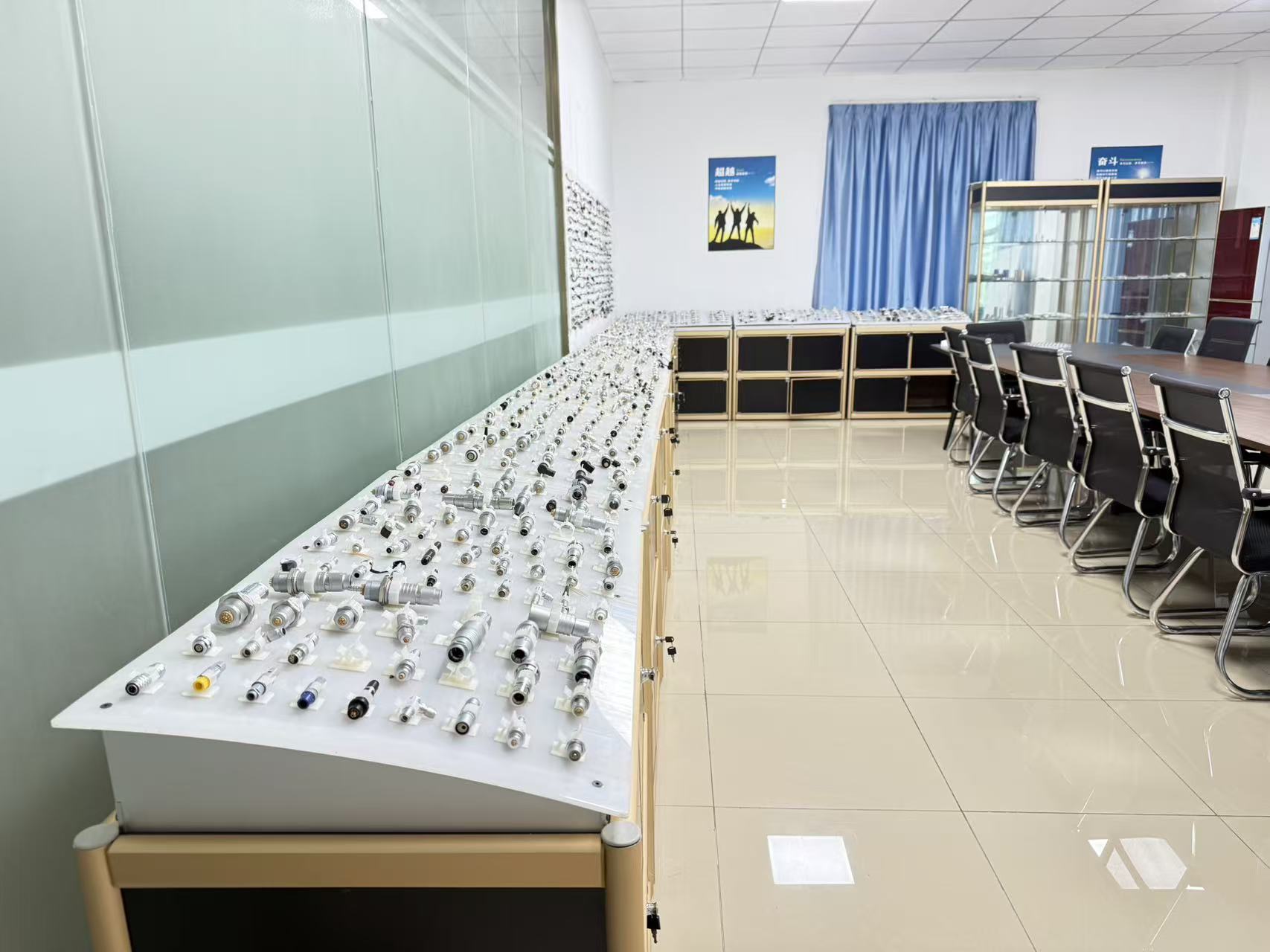
Shenzhen BEXKOM Electronics Co., Ltd. is a connector manufacturer founded in 2016 and headquartered in Shenzhen, China. The company develops and produces push-pull self-locking connectors, medical connectors, circular connectors and electronic connectors, and provides cable assembly manufacturing. It operates a 3,500 m² factory with 130 employees and a 22-engineer R&D team, exports approximately 75% of its output primarily to the EU and USA, and serves customers across medical devices, industrial machinery, test & measurement, broadcast & telecom, robotics, automation and new energy applications.
Email: cs6@bexkom.com | Tel: +86 400 9969691 | WhatsApp: +86 18681568601
Address: C620, Building C, Huafeng International Robot Industrial Park, Hangcheng Road, Xixiang Street, Baoan District, Shenzhen City, 518126, China
Have Questions or Need More Details?
Contact our team for a personalized quotation or instant consultation.
Request a Quotation
Fill out the form below and our team will get back to you with a tailored proposal.
WhatsApp Direct Chat
Prefer to chat in real-time? Message us on WhatsApp for instant assistance & quick answers.
- Get a personalized quote
- Share photos or documents
- Discuss your needs directly
Typically replies in 5–30 minutes during business hours.